
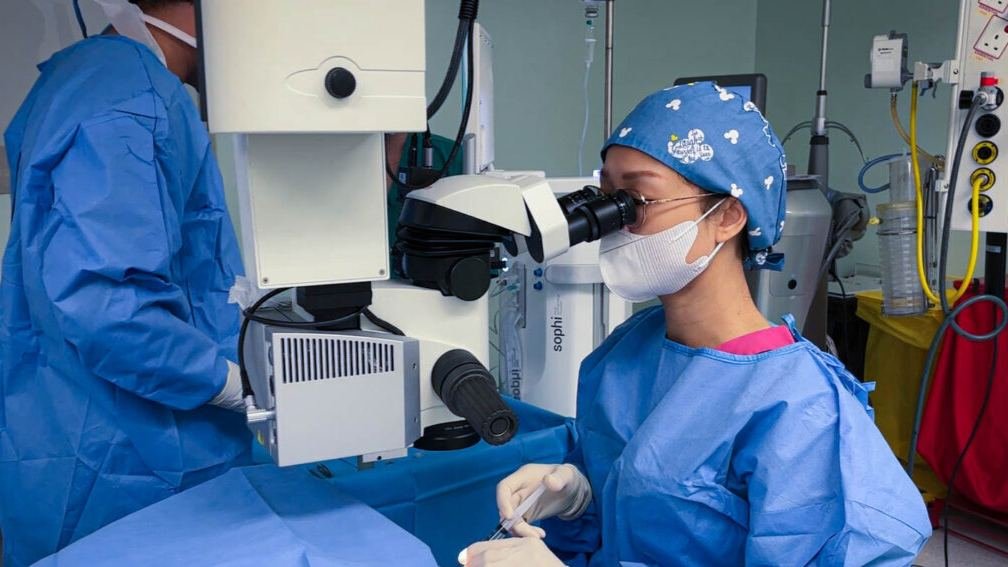
What is a cataract?
The lens inside your eye sits behind the pupil and focuses light on the retina. A cataract is when this lens turns cloudy, usually with age. Diabetes, long-term steroid use, smoking, eye injury and previous eye surgery can bring it on earlier. Glasses can help for a while, but the only treatment that clears the vision is surgery to replace the cloudy lens.
Common signs of cataract
- Blurred, cloudy or "dirty-window" vision
- Glare and halos from headlights when driving at night
- Colours look faded or yellowish
- Needing brighter light to read
- Frequent changes in your glasses prescription
- Double vision in one eye
When is the right time for surgery?
When the cataract gets in the way of the things you need to do: driving, working, reading, using your phone or moving around safely. There is no need to wait until a cataract is "ripe". A very dense cataract is harder to remove, so it is better not to leave it too long.
Have diabetes? Cataracts tend to come earlier, and the retina needs checking before and after surgery. Dr Katherine looks at both at the same assessment. See diabetic eye care.
The operation, step by step
1. Assessment and measurements
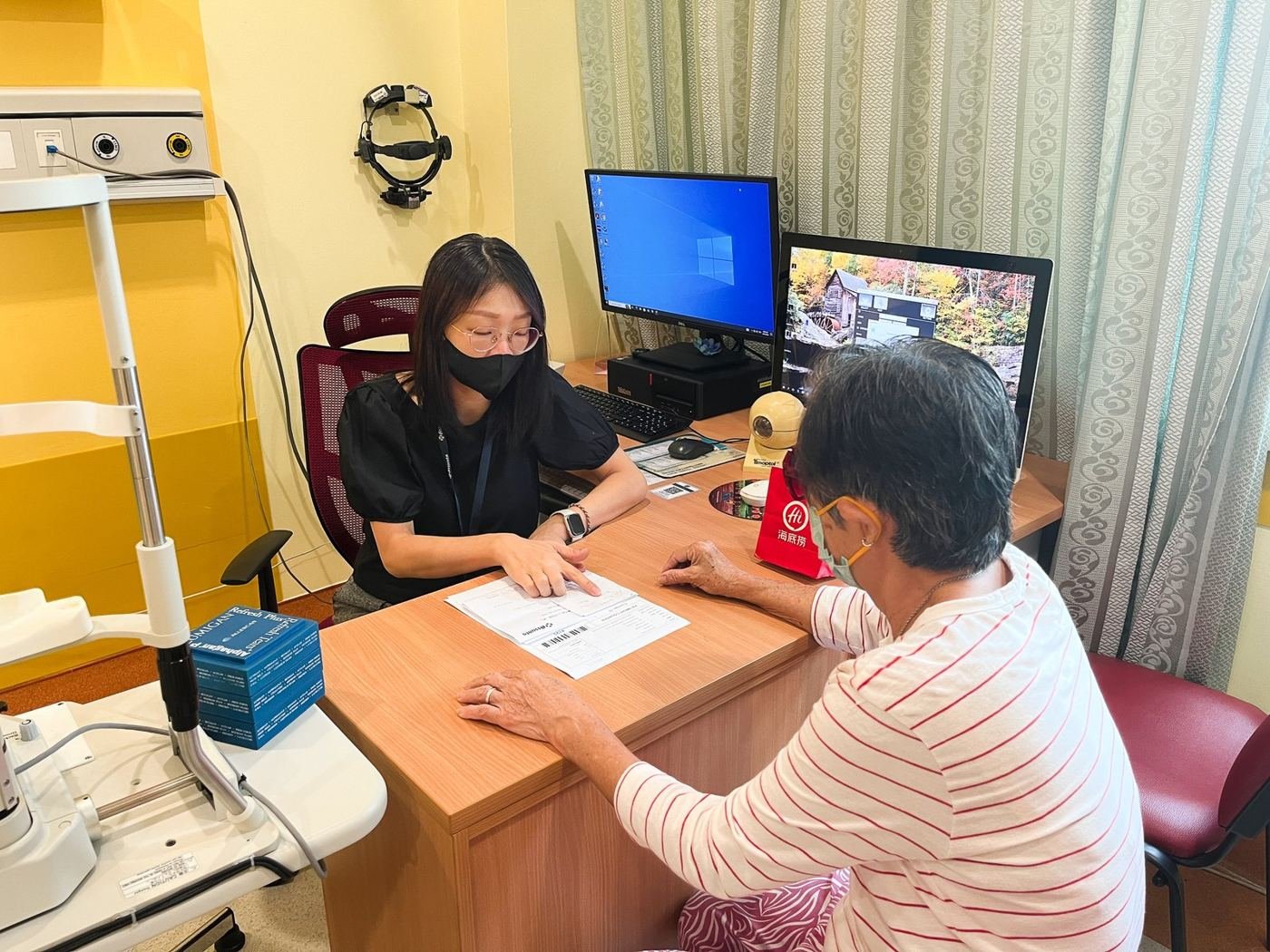
A full eye examination with dilating drops, plus scans and measurements of the eye (biometry) to calculate the power of your lens implant. This is when you decide on the lens type. Tell the clinic about all your medicines, especially blood thinners, and don't stop any without advice.
2. Day of surgery
Cataract surgery is done as a day case at Assunta Hospital. The eye is numbed with drops or a local anaesthetic, and you stay awake and comfortable. Through a tiny incision, the cloudy lens is broken up with ultrasound (phacoemulsification) and removed. A folded artificial lens is then placed in its position. Stitches are usually not needed.
3. Going home
You go home the same day with a shield over the eye and a set of eye drops. Someone should take you home.
Choosing your lens implant
| Lens type | What it does | Glasses afterwards |
|---|---|---|
| Monofocal | Clear vision at one distance, usually far. | Reading glasses usually needed. |
| Toric | Monofocal plus correction of astigmatism. | Sharper distance vision; reading glasses usually needed. |
| Extended depth of focus (EDOF) | Good distance and intermediate (computer) vision. | Glasses for fine print may still help. |
| Multifocal / trifocal | Far, intermediate and near vision. | Least need for glasses; some people notice halos at night. |
The right choice depends on your eyes, your work, whether you drive at night and your budget. Dr Katherine goes through the options with you at the assessment.
Recovery after cataract surgery
- Vision often improves within a few days, and keeps settling over several weeks.
- Use the eye drops as instructed, usually for about four weeks.
- Wear the eye shield at night for the first week, and don't rub the eye.
- Keep soap and tap water out of the eye, and avoid swimming until cleared.
- New glasses, if needed, are usually prescribed about a month after surgery.
Call the clinic straight away if you get increasing pain, worsening vision or increasing redness after surgery.
Insurance and cost
Cataract surgery is covered by many medical insurance plans, subject to your policy. Panels at the clinic include Prudential, AIA Public Takaful, AXA, Zurich, Etiqa, Takaful Malaysia, Tokio Marine and others. Cost depends mainly on the lens chosen. Call or WhatsApp for an estimate after your assessment.
Cataract surgery FAQ
When should I have cataract surgery?
When the cataract makes everyday things harder, such as driving, reading, working or recognising faces. You do not need to wait for a cataract to become 'ripe'; waiting too long can make surgery more difficult.
Is cataract surgery painful?
Most patients feel little or no pain. The eye is numbed with drops or a local anaesthetic injection, and you may feel some pressure or see bright lights during the operation.
How long does cataract surgery take?
The operation usually takes about 15 to 30 minutes. With preparation and recovery you can expect to be at the hospital for a few hours, and most patients go home the same day.
Are both eyes done on the same day?
Usually not. The second eye is normally operated on a few days to a few weeks after the first, once the first eye has settled.
Will I still need glasses after cataract surgery?
It depends on the lens implant. With a standard monofocal lens most people still need reading glasses. Toric lenses also correct astigmatism, and multifocal or extended-depth-of-focus lenses reduce the need for glasses at more distances.
Can a cataract come back?
The cataract itself cannot return, but months or years later the thin capsule behind the lens implant can become cloudy. This is treated with a quick, painless YAG laser in the clinic.
When can I drive or go back to work?
Many people return to desk work within a few days. Drive only when your vision meets the driving standard and your doctor has confirmed it at review.
Is cataract surgery covered by insurance?
Cataract surgery is covered by many medical insurance plans in Malaysia, subject to your policy terms. The clinic can help with the guarantee letter process; please call to check your plan.
Book a cataract assessment
Eye Centre, Level 1, Heritage Wing, Assunta Hospital, Petaling Jaya